L’Arabe / The Arab
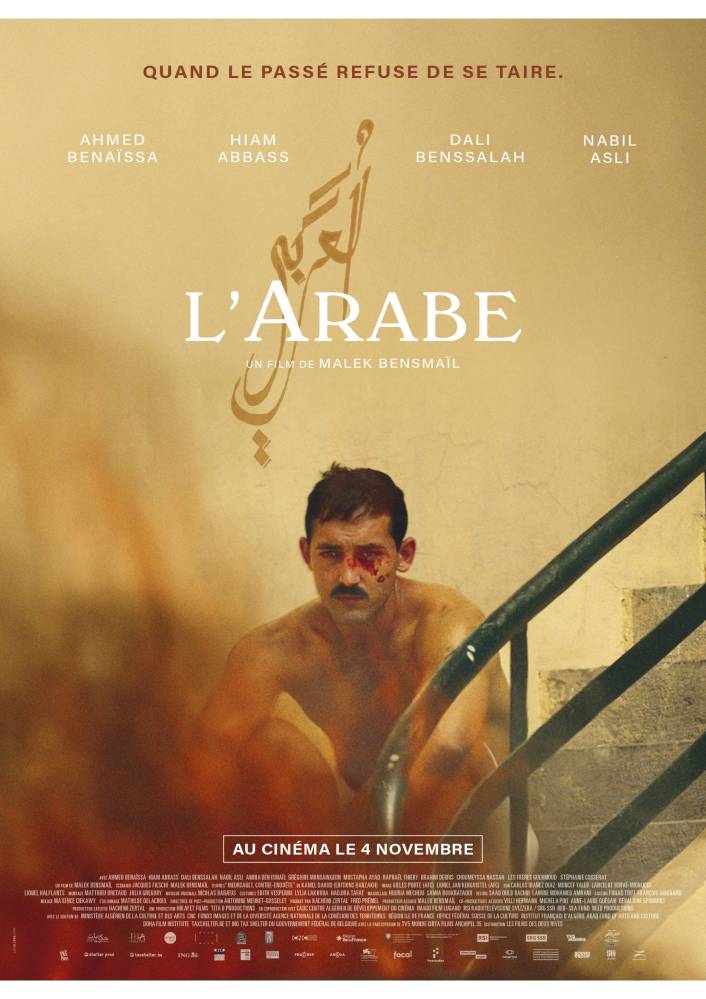
Titolo originale: L’Arabe / The Arab
Genere: Drammatico
Versione:
Sottotitoli: Français, anglais
Anno, durata: 2026, 106' min
Regia: Malek Bensmaïl
Sceneggiatura: Jacques Fieschi, Malek Bensmaïl
Formato: DCP
Colore: colore
Formato immagine: 1:2.39
Produzione: Tita B Productions (France), Hikayet Films (Algérien), Imagofilm Lugano (Suisse)
In coproduzione con: RSI Radiotelevisione svizzera (Suisse)
Con il sostegno di: Office fédéral de la culture (CH)
Distribuzione: France: Les Films des Deux Rives, Montpellier
Festival: 2026: Rotterdam (Premiere), Moscow, Mooov, Sydney, Split, Shanghai, Angoulême, Warsaw, Roma MedFilm, Tübingen, Fameck
SUISA: 1022.154
ISAN: 0000-0004-DB06-0000-Q-0000-0000-X
Sinossi breve
ITA
Il film di Malek Bensmaïl rilegge «Lo straniero» di Albert Camus ribaltandone il punto di vista. Al centro del racconto non c’è più Meursault, ma Moussa, l’uomo arabo ucciso senza nome nel romanzo originale, e soprattutto suo fratello Haroun. Cinquant’anni dopo l’omicidio, in una notte trascorsa in un bar di Orano, Haroun racconta a un giornalista la propria versione dei fatti, ricostruendo l’evento e le sue conseguenze sulla sua vita e su quella della madre.
FRA
A Oran en 1996. Haroun, vieux célibataire à la retraite, raconte à un jeune journaliste une histoire incroyable qui remonte à l’été 1942 : Il affirme être le frère de « l’Arabe sans nom » tué dans le célèbre roman d’Albert Camus…
ENG
Haroun is an old bachelor who has been living in Oran. A retired civil servant, he leads the life of a recluse until the day he meets Kamel in a bar, a journalist to whom he tells an incredible story: he is the brother of “the Arab” killed in the story of the famous novel, The Stranger by Albert Camus.
Sinossi
ITA
La rilettura di «Lo straniero» di Albert Camus dal punto di vista della vittima, Moussa, attraverso il racconto del fratello Haroun. Tra memoria e finzione, l’opera riflette su identità, colonialismo e sul modo in cui la storia viene raccontata e ricordata.
Il film di Malek Bensmaïl rilegge «Lo straniero» di Albert Camus ribaltandone il punto di vista. Al centro del racconto non c’è più Meursault, ma Moussa, l’uomo arabo ucciso senza nome nel romanzo originale, e soprattutto suo fratello Haroun. Cinquant’anni dopo l’omicidio, in una notte trascorsa in un bar di Orano, Haroun racconta a un giornalista la propria versione dei fatti, ricostruendo l’evento e le sue conseguenze sulla sua vita e su quella della madre.
Adattato liberamente dal romanzo di Kamel Daoud: “Il caso Meursault” Edizioni Bompiani, 2015.
FRA
Haroun est un vieux célibataire, vivant depuis quelques années à Oran. Fonctionnaire à la retraite, il mène une vie de reclus jusqu’au moment où il rencontre Kamel dans un bar, un journaliste à qui il raconte une histoire incroyable qui remonte à l’été 1942 : il affirme être le frère de « l’Arabe » tué dans une histoire rapportée par l’un des romans les plus célèbres du XXème siècle : L’Étranger d’Albert Camus. Un « Arabe » qui avait pour nom effacé « Moussa ».
-Adapté librement du roman de Kamel Daoud : « Meursault contre-enquête », Éditions Barzakh 2013
ENG
Haroun is an old bachelor who has lived in Oran for several years. A retired civil servant, he leads a reclusive life until the day he meets Kamel in a bar—a journalist to whom he tells an incredible story dating back to 1942. He claims to be the brother of ‘the Arab’ killed in a story told in one of the most famous novels of the 20th century, ‘The Stranger’ by Albert Camus. An Arab with an erased name: Moussa. Through anger, assertions, details, and confidences, Haroun finally convinces the journalist to listen to his story. His confession is a cry of freedom and distress—but above all, a cry of revolt: against an abusive mother, against a country that failed to achieve true independence, against a book, and against a famous French writer. The story blends past and present, woven into Algerian history—from 1940 (colonisation, despoilment, exclusion) to 1996 (the civil war known as “the Black Decade”). An impossible romance, the country’s failed independence, a never-ending book, and a difficult final truth to live through.
Collaboratori
Regia: Malek Bensmaïl
Sceneggiatura: Jacques Fieschi, Malek Bensmaïl
Con: Ahmed Benaïssa (DZ-F)
Hiam Abass (F)
Dali Benssalah (DZ-F)
Nabil Asli (DZ)
Mustapha Ayad (DZ)
Raphaël Thiery (F)
Brahim Derris (DZ)
Direttore della fotografia: Gilles Porte, Lionel Jan Kerguistel
Camera: Leandro Monti
Montaggio: Matthieu Bretaud, Julia Grégory
Suono: Carlos Ibanez Diaz, Moncef Taleb, Lancelot Hervé-Mignucci, Lionel Halflants
Montaggio suono e mix: Maxence Ciekawy, Henry Sims
Musica: Nicolas Rabæus
Scenografia: Saad Ould Bachir, Lamine Mohamed Amrani
Costumi: Edith Vesperini, Lylia Lakhoua, Hadjira Tafat
Trucco: Houria Mecheri, Samia Boukrataoui
Produzione: Tita B Productions (France), Hikayet Films (Algérien), Imagofilm Lugano (Suisse)
In coproduzione con: RSI Radiotelevisione svizzera (Suisse)
Produttori: Fred Prémel (F), Hachemi Zertal (DZ), Villi Hermann (CH), Michela Pini (CH), Alessandro Marcionni per RSI (CH)